Loading
Storage and warehousing
Covered, dry storage near where crops are grown and near the port, so nothing sits in the rain waiting for a truck.
A great deal of West African produce is lost between the farm and the ship, and most of it is lost to weather and time rather than to theft. A crop that gets wet in storage is worth less, or worth nothing.
Storage is unglamorous and it is where a lot of our value sits. Holding stock also means we can supply a customer on a schedule instead of only when the harvest allows.
How it works
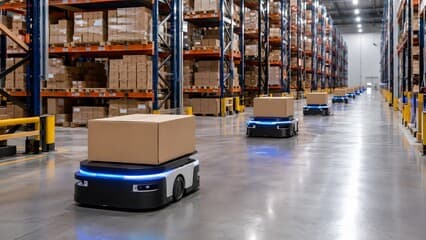
Dry and covered
Raised, ventilated and off the ground, with roofs that are checked before the rains rather than during them.
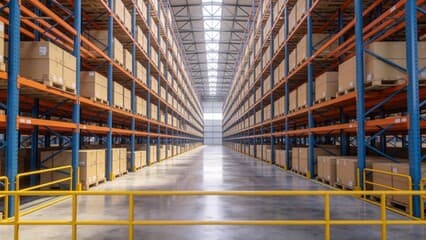
Near the crop
Storage close to the collection areas, so material comes off the road quickly instead of travelling wet.
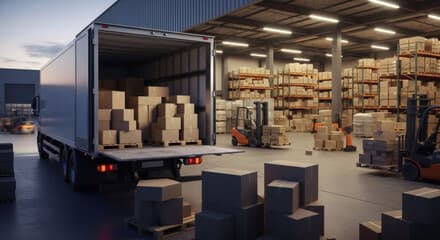
Near the port
A second holding point close to Tema, so a container can be filled and moved without a long inland run first.
Stock held for customers. Regular buyers can have volume held against a schedule, drawn down monthly rather than taken all at once.
The short version
- LOCATIONS
- Producing regions and Tema
- CONDITION
- Covered, raised, ventilated
- STOCK HOLDING
- By arrangement, per customer
The part nobody photographs
A striking amount of West African produce never reaches a buyer, and the losses do not mostly happen dramatically. Nothing is stolen and nothing burns down. A crop is dried properly, bagged properly, and then sits somewhere with a leaking roof for three weeks in August waiting for a truck that is busy elsewhere.
Storage is the least photogenic part of this business and one of the most decisive. Material that gets damp loses grade, and grade is money. Worse, damp material contaminates what is stacked next to it, so one bad corner of a shed becomes a bad shipment. We keep stock raised off the ground, ventilated, under roofs that are checked before the rains rather than during them.
Where the storage sits matters as much as its condition. We hold stock near the producing areas so crops come off the road quickly instead of travelling wet, and again near Tema so a container can be filled and moved without a long inland run first. Two holding points cost more than one. They also mean a delay at either end does not put the whole consignment at risk.
Holding stock does something else that customers feel directly. A harvest arrives all at once; a factory needs material every month. If nobody carries the gap, the buyer either takes a year's supply in one go and stores it themselves, or goes short. We carry that gap, which is why a customer can order to a schedule rather than to a season.
Need this?
Tell us what you are trying to move and we will tell you plainly what we can do about it.